

The G-SCOP and SIMAP laboratories are partnering to develop the complete design, production, and characterization chain for metallic products obtained through additive manufacturing. Since July 2012, they have hosted the first electron beam melting (EBM) machine installed in a French laboratory.
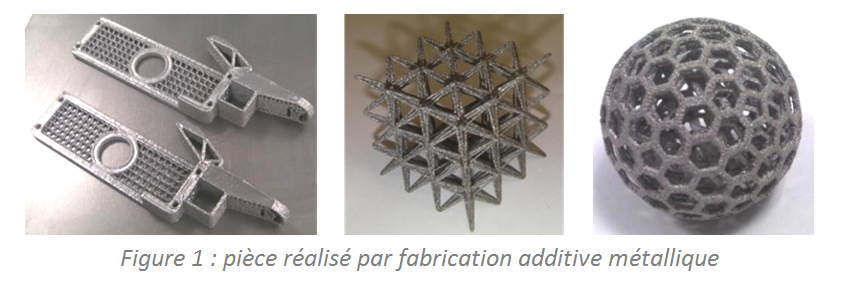
Additive manufacturing technologies are currently generating significant interest and are experiencing extremely rapid development. They offer new freedoms in the design and styling of parts. Compared to conventional material removal approaches (subtractive manufacturing), they also appear to be environmentally sustainable, as they consume less energy (the material undergoes fewer intermediate steps) and generate less waste. They are currently quite widely used for polymers and are beginning to be used for metals (Figure 1)
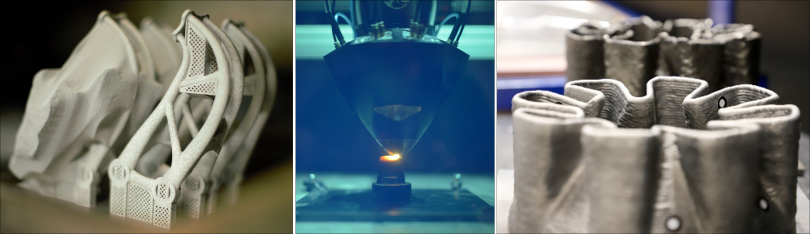
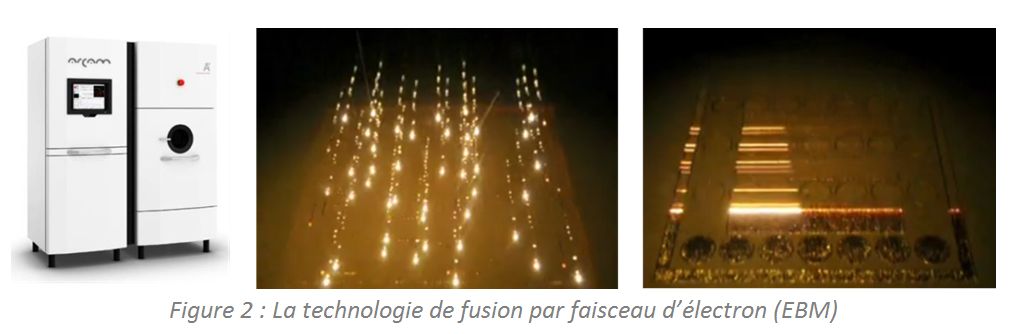
In 2012, the Grenoble site acquired an Electron Beam Melting (EBM) additive manufacturing system, specifically designed for metal parts (Figure 2). This equipment is the first of its kind to be installed at a university site in France. This investment was made as part of a partnership between the Labex CEMAM (Center of Excellence for Multifunctional Architected Materials) and AIP PRIMECA, with the support of Grenoble INP and the Rhône-Alpes region. It is worth noting that globally, only about ten such systems are installed in university settings.
Thanks to the combined expertise of the partners behind this investment, the Grenoble site possesses a near-unique asset for this process: the ability to approach the subject through both a materials and a product design perspective.
The benefits of EBM systems, where powder melting is performed by an electron beam operating in a vacuum, are manifold. From a materials standpoint, beyond the lack of contamination ensured by the vacuum, this technology allows for the most precisely controlled metallurgical structures and, consequently, the best-controlled final properties. From a process perspective, it currently enables the most complex topologies as well as higher production rates than its competitors.
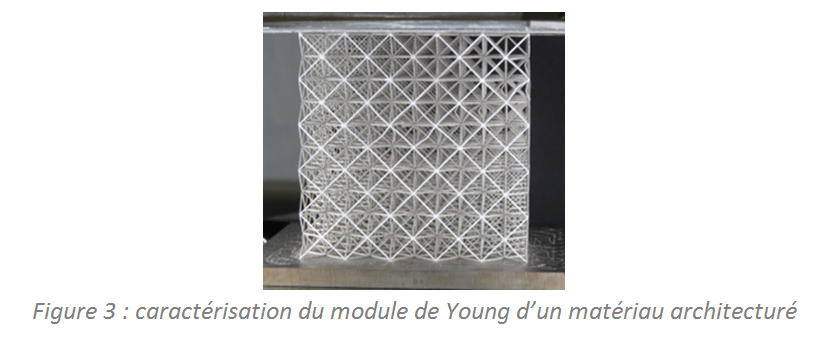
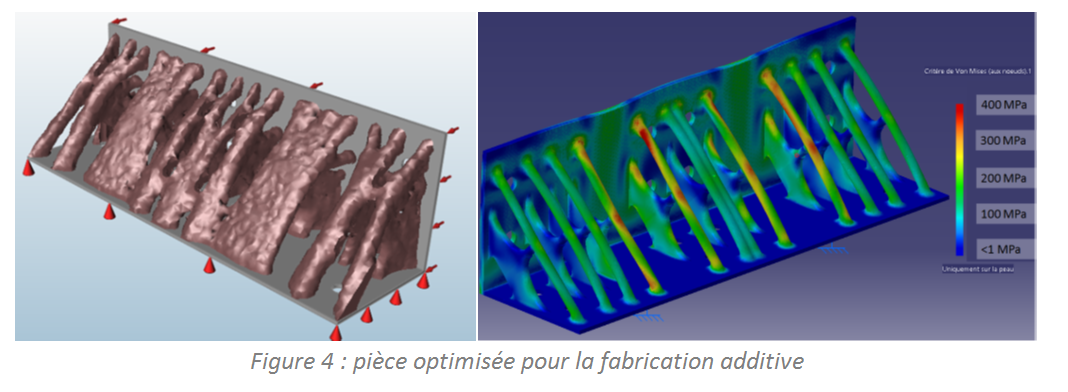
The research themes developed concern architected materials and design for additive manufacturing. Regarding architected materials, the topics cover their design, production, prediction, and measurement of their characteristics (Figure 3), as well as their integration into next-generation parts. Concerning design, we are working on a design methodology for additive manufacturing and the associated digital tools (Figure 4).